

Intermediate Crochet Patterns: 10 Projects to Master
Table of Contents
- What Makes a Crochet Pattern Intermediate?
- 1. Blue the Butterfly: Amigurumi with Texture
- 2. Cat with a Cup Bag: Mastering Intarsia Colorwork
- 3. Bobble Clutch: Intermediate Crochet Stitches in Action
- 4. Toastie Bread Bag: Functional Accessory Projects
- 5. Andromeda Crochet Top: Wearable Garment Construction
- Best Yarn for Intermediate Crochet Projects
- Crochet Projects That Sell at Craft Fairs
Last Updated: August 22, 2026
What Makes a Crochet Pattern Intermediate?
Intermediate crochet patterns sit between mastering basic single crochet and tackling true advanced work. They challenge you with stitch variety and structure without demanding the precision of fine thread or lace construction.
Intermediate work differs from beginner in three core ways: stitch complexity, garment construction, and finishing techniques. Beginners work mostly in single and double crochet. Intermediate crafters handle post stitches, bobble stitches, cluster stitches, and shell stitches with confidence. You understand gauge, tension, and how yarn weight affects your finished piece. You've assembled amigurumi or sewn seams. You're comfortable reading charts and abbreviations without constantly referencing a stitch guide.
The real marker of intermediate skill is understanding why stitches work. You recognize that bobble stitches create texture, cables require careful stitch counting, and colorwork like intarsia demands focus but delivers striking results. You've hit enough mistakes to spot and fix them without frogging entire rows.
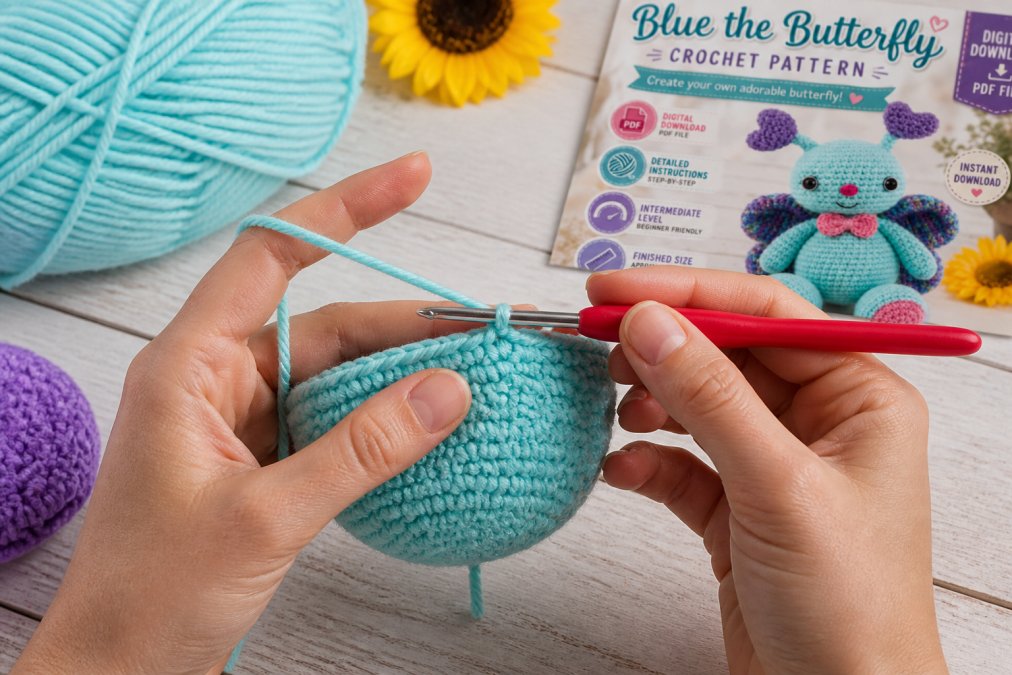
At Crochet Creations Hub, we've curated patterns specifically designed for crafters at this level, projects that build skills, introduce new techniques, and deliver professional-looking finished pieces.
1. Blue the Butterfly: Amigurumi with Texture
This adorable amigurumi project teaches you how to layer texture into stuffed toys while maintaining clean construction. The Blue the Butterfly pattern combines basic amigurumi foundations with decorative elements like the bow tie and oversized feet that require precision and planning.

What makes this intermediate is the stitch variety and assembly complexity. You'll work in rounds using single crochet as your base, then add texture through strategic increases and decreases that shape the butterfly's wings. The pattern includes safety eyes and embroidery work, demanding attention to detail. Most importantly, you're learning how yarn weights and hook sizes affect finished size, this pattern uses worsted weight yarn with a 3.25 mm hook, and understanding why that combination works is key intermediate knowledge.
The finished butterfly stands approximately 11 inches tall, making it substantial enough for a decorative piece or meaningful gift (peer-reviewed research). The step-by-step instructions walk you through assembly, stuffing techniques, and hiding yarn tails so your finished work looks polished.
The Blue the Butterfly Crochet Pattern is available as an instant digital download for $1.99 from Crochet Creations Hub.
2. Cat with a Cup Bag: Mastering Intarsia Colorwork
Intarsia crochet, creating graphic designs with multiple colors, intimidates many intermediate crafters. The Cat with a Cup Bag pattern removes that intimidation by teaching colorwork in a practical, wearable project. The finished tote features a bold black cat holding a steaming cup against a crisp white background, created entirely through single crochet stitches and color changes.

What makes intarsia intermediate-level work is the precision required. Unlike stranded colorwork where you carry yarn, intarsia demands you drop one color and pick up another at exactly the right moment. The pattern includes a detailed colorwork chart where each square represents one stitch. You're reading a chart, managing multiple yarn colors, and maintaining even tension across color transitions.
The bag measures approximately 11.8 inches high by 13.4 inches wide with 24-inch handles, a genuinely functional accessory. The pattern teaches you how to work front and back panels separately, then assemble them with a bottom piece and handles. This garment construction knowledge transfers directly to sweaters, blankets, and other structured projects.
The Cat with a Cup Crochet Bag Pattern is available for $1.99 as a digital download.
3. Bobble Clutch: Intermediate Crochet Stitches in Action
The bobble clutch demonstrates how intermediate crochet stitches create visual impact and texture. A bobble stitch, where you work multiple incomplete stitches into one stitch, then close them together, creates a dimensional, sculptural effect. Combined with moss stitch (alternating single crochet and chain stitches), this clutch shows how texture choices define a project's personality.
This pattern introduces working with chunky yarn and larger hooks (6 mm), which feels different from worsted weight work. Chunky yarn works up faster but demands more attention to tension and stitch definition. The clutch measures approximately 26 cm wide by 21 cm tall, and the zipper closure teaches finishing techniques beyond simple seaming, you're installing hardware and creating a functional closure.
The wrist strap adds another intermediate skill: creating a sturdy handle that supports weight. You're engineering a bag that will hold items and withstand regular use, not just crocheting decorative elements.
The Bobble Clutch Crochet Pattern is available for $1.99 and includes detailed bobble stitch tutorials and zipper installation guidance.
4. Toastie Bread Bag: Functional Accessory Projects
The Toastie Bread Bag bridges amigurumi and structured bags. This crossbody bag features a smiling toast face with realistic bread crust edging, soft 3D arms and legs, and an adjustable shoulder strap. What makes it intermediate is combining amigurumi shaping with functional bag construction.

You'll work in both rounds (for the bread base) and rows (for the strap), switching between techniques mid-project. The pattern requires creating an opening for the storage compartment, inserting optional fabric lining, and attaching a strap that won't pull free under weight. The embroidery work for the face demands precision, you're creating expression through thread placement.
This project teaches that intermediate crochet isn't just about complex stitches; it's about combining simpler techniques in ways requiring planning and problem-solving. You need to think about construction order, how pieces connect, and hiding seams so they don't detract from the design.
The finished bag is genuinely functional and adorable enough to turn heads at craft fairs. At advanced beginner to intermediate level, this pattern rewards careful work with a piece you'll actually use.
The Toastie Bread Bag Crochet Pattern is available for $1.99 and includes detailed assembly and embroidery instructions.
5. Andromeda Crochet Top: Wearable Garment Construction
The Andromeda Crochet Top represents a significant step into wearable intermediate crochet. This fairycore-inspired top features bell sleeves, a lace-up corset back, and decorative shell stitch details. Unlike amigurumi or bags, wearable garments demand precise sizing, gauge accuracy, and understanding how different body shapes affect fit.
Intermediate garment construction means working from a schematic, measuring as you go, and adjusting patterns if your gauge differs from the designer's. The Andromeda pattern includes multiple sizes (S, M, L, XL), and you need to follow the correct size throughout without mixing instructions. The shell stitch details add visual interest while teaching how decorative stitches integrate into garment design.
The bell sleeves and corset-back lacing are intermediate finishing techniques. You're creating flared, shaped sleeves requiring increases and understanding how shaping works in the round. The lace-up back means working with yarn or cord as a functional design element.
The Andromeda Crochet Top Pattern costs $1.99 and teaches garment construction, shaping, and finishing techniques that apply to sweaters, dresses, and other wearables.
Best Yarn for Intermediate Crochet Projects
Yarn selection matters far more at intermediate level than beginner work. Intermediate crafters discover that yarn weight, fiber content, and texture dramatically affect how patterns work and how finished pieces look.
For intermediate crochet patterns, worsted weight yarn (#4) is your reliable foundation. It's thick enough to show stitch definition clearly, making it forgiving for learning new techniques like post stitches and bobbles. Most intermediate patterns are designed for worsted weight, and yarn substitution becomes easier when you understand how weight affects gauge and drape.
When you're ready to explore, DK weight (#3) opens doors to more refined, delicate projects. It shows stitch detail beautifully and works well for garments where drape matters. However, DK requires more precise tension and gauge work. Chunky weight (#5) creates fast projects with bold texture but demands careful tension to prevent gaps.
Fiber content shapes your intermediate experience. Acrylic yarn is affordable and forgiving, perfect for learning techniques you might mess up. Cotton yarn shows stitches crisply but offers less stretch. Wool provides natural elasticity and warmth but requires understanding how blocking affects finished size. Many intermediate crafters explore yarn blends that combine benefits.
For textured stitches like bobbles, cables, and post stitches, choose yarn that shows definition. Variegated or speckled yarns can obscure stitch detail. Solid colors showcase your stitch work and make intermediate techniques shine.
According to the Craft Yarn Council's yarn weight guidelines, understanding yarn weight standards helps you make confident substitutions.
Crochet Projects That Sell at Craft Fairs
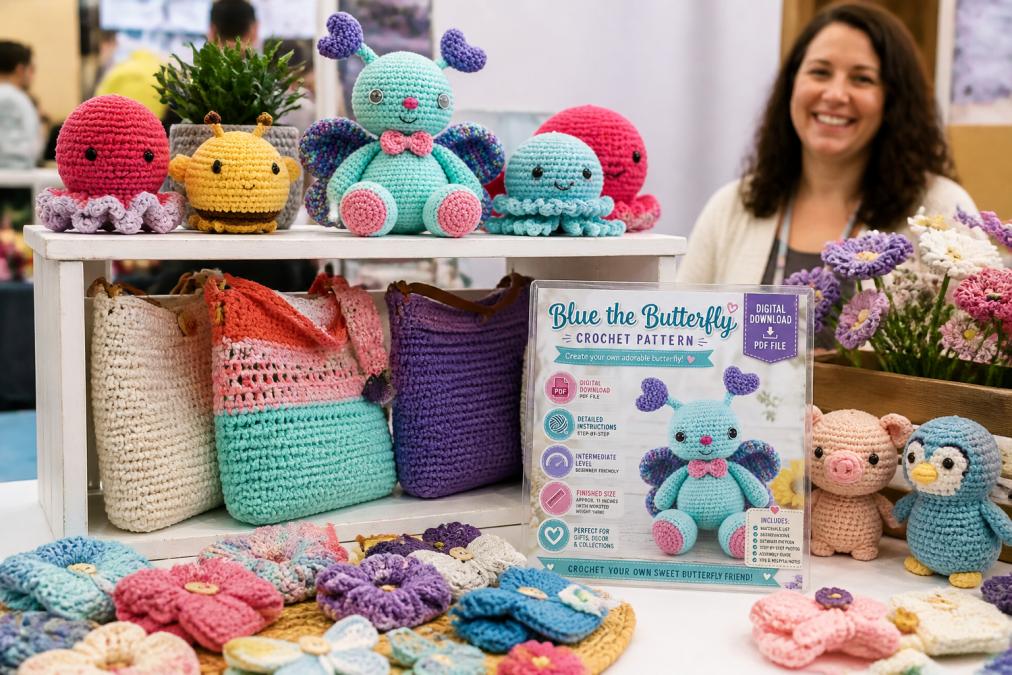
Intermediate crochet projects offer the sweet spot for craft fair success: they're complex enough to command decent prices, but not so time-consuming that you can't make multiples. The key is choosing projects that appeal emotionally while delivering quality craftsmanship.
Functional accessories sell consistently. Bags, clutches, and crossbody styles attract shoppers looking for unique, handmade alternatives to mass production. The Toastie Bread Bag and Bobble Clutch patterns work because they're conversation starters. Pricing these at $35-65 depending on yarn cost and complexity feels fair to customers and compensates you for skill and time.
Amigurumi and stuffed toys appeal to parents, gift-givers, and collectors. A well-made Blue the Butterfly can sell for $25-45. The key is finishing quality: safety eyes properly secured, seams hidden, stuffing even, and yarn tails woven in completely.
Wearables like the Andromeda Crochet Top attract customers seeking statement pieces. A handmade crochet top priced at $60-100 appeals to fashion-conscious buyers who value uniqueness. However, wearables require making multiple sizes, increasing inventory complexity.
The most successful craft fair vendors specialize in 3-5 intermediate projects rather than attempting dozens of styles. This focus allows you to perfect each pattern, build consistent inventory, and develop a recognizable brand.
Pricing strategy matters. Research what similar handmade items cost at your local craft fairs. Calculate yarn cost plus a reasonable hourly rate for your time. Most intermediate projects require 8-15 hours of work. Many successful vendors use this formula: (yarn cost × 2) + (hours × hourly rate) to ensure profitability while staying competitive.
According to the Small Business Administration's pricing guidance for handmade goods, understanding your true costs prevents underpricing that makes craft fair vending unsustainable.
Intermediate crochet patterns represent a genuine skill milestone. You've moved beyond following basic instructions into territory where you make real choices: yarn selection, color combinations, sizing adjustments, and finishing techniques that reflect your developing expertise. The projects in this guide, from the textured Bobble Clutch to the wearable Andromeda Top, build skills that transfer across countless future patterns.
At Crochet Creations Hub, we understand that intermediate crafters need patterns that challenge without overwhelming. Our curated collection of intermediate crochet patterns includes instant digital downloads designed to teach new techniques while delivering finished pieces you'll love. Each pattern includes detailed instructions, photo references, and the support you need to succeed. Start with one project that excites you, then build your skills and your collection. Your next masterpiece is just a download away.
Frequently Asked Questions
What skills do I need before starting intermediate crochet patterns?
You should master basic stitches (single crochet, double crochet, half double crochet), work in rounds and rows confidently, and understand gauge and tension. Intermediate crochet patterns expect you to read abbreviations, follow charts, and work increases and decreases smoothly. If you've completed several beginner projects without frogging entire sections, you're ready for intermediate patterns.
How do intermediate crochet stitches differ from beginner techniques?
Intermediate crochet stitches include post stitches (front post double crochet, back post double crochet), cables, bobble stitches, cluster stitches, and shell stitches. These add texture and visual complexity. They require working into specific parts of stitches from previous rows, maintaining consistent tension across uneven stitch heights, and understanding how stitch placement changes fabric structure. Videos help immensely when learning these techniques.
What yarn weight and hook size work best for intermediate crochet projects?
Worsted weight (#4) and DK weight (#3) yarns are ideal for intermediate projects because they show stitch definition clearly and work at a reasonable speed. Use hook sizes 3.5mm to 5mm for these weights. Chunky yarn (5.5mm hook) works for accessories like the Bobble Clutch, while lace-weight yarn (0.6mm hook) suits advanced intermediate projects like the Irish Lace Butterfly. Always check your pattern's recommended yarn and hook size for best results.
Which intermediate crochet projects actually sell well at craft fairs?
Handmade bags, clutches, and amigurumi toys consistently sell at craft fairs because they're functional, gift-worthy, and show visible craftsmanship. The Bobble Clutch, Cat with a Cup Bag, and Blue the Butterfly are strong sellers. Wearables like cardigans and tops sell when sized for popular dimensions. Price items at $15-$40 depending on materials and time. Customers prefer items with clear finishing techniques and professional presentation.
How long does an intermediate crochet pattern typically take to complete?
Most intermediate patterns take 8-20 hours depending on complexity and your speed. Amigurumi like Blue the Butterfly takes 6-10 hours. Bags like the Toastie Bread Bag take 8-15 hours. Garments take longer, typically 15-25 hours. Time estimates assume consistent practice and familiarity with the stitches used. Beginners to intermediate work may take 25-40% longer while learning new stitch techniques.
This article was written using GrandRanker