

Crochet Baby Blanket Patterns 2026
Table of Contents
- Crochet Baby Blanket Patterns 2026
- Top Crochet Baby Blanket Patterns for 2026
- Easy Crochet Baby Blanket Patterns for Beginners
- Standard Baby Blanket Sizes and Finished Dimensions
- Best Yarn for Baby Blankets: Weight, Fiber, and Washability
- 2026 Color Palette Trends for Baby Blankets
- Essential Crochet Stitches and Techniques
- Common Mistakes to Avoid When Crocheting Baby Blankets
- Eco-Friendly and Organic Yarn Options
- Frequently Asked Questions
Last Updated: September 1, 2026
Crochet Baby Blanket Patterns 2026
Creating a handmade baby blanket is one of the most rewarding crochet projects you can undertake. Crochet baby blanket patterns offer endless possibilities for makers of all skill levels, from beginner-friendly designs to intricate styles featuring advanced techniques. At Crochet Creations Hub, we've curated the most beautiful and practical patterns for 2026, designed to inspire your next project.

Top Crochet Baby Blanket Patterns for 2026
The following patterns represent the most popular and visually striking designs trending this year.
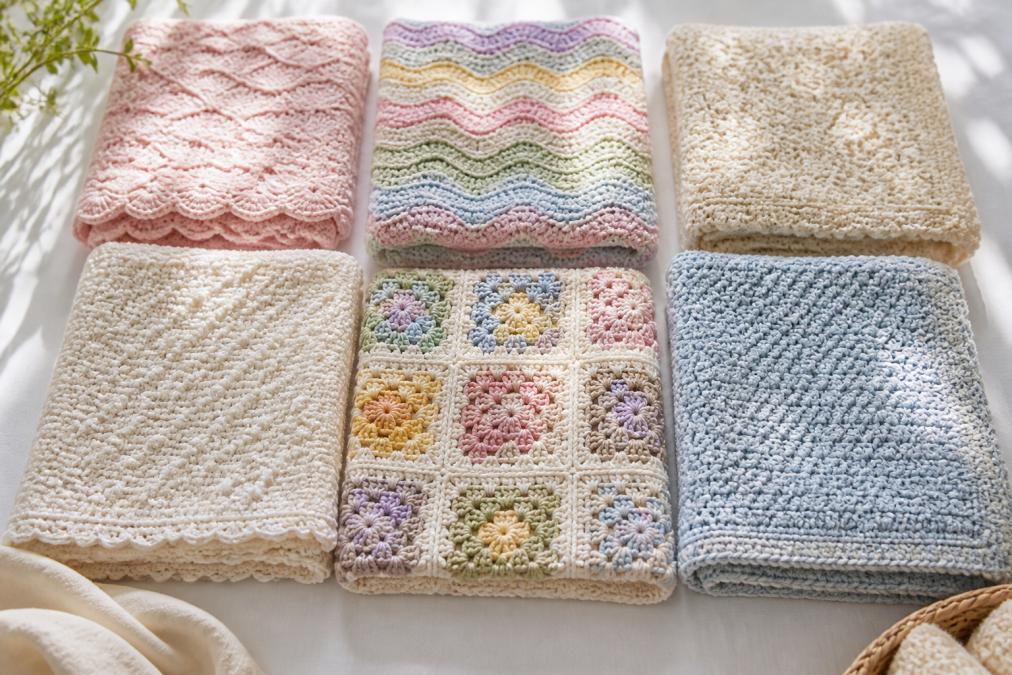
Pastel Shells: Soft Shell Stitch Elegance
The shell stitch creates a naturally textured, dimensional surface that catches light beautifully while remaining soft for delicate skin. The Pastel Shells pattern combines this timeless stitch with contemporary color combinations, soft pinks, creams, pale yellows, and gentle greens, that work for any nursery aesthetic.
This pattern works up relatively quickly and is meditative to crochet. The finished blanket measures approximately 36 inches square, ideal as a stroller blanket, crib blanket, or nursery accent piece. You can work it in worsted weight for a denser blanket or baby weight yarn for something lighter and more delicate.
The Free Pastel Shells Baby Blanket Crochet Pattern is available as a free instant download, making it an excellent starting point for new crafters.
Cascading Ripples: Timeless Wave Design
Ripple patterns are visually striking and surprisingly forgiving to construct. The Cascading Ripples pattern modernizes this classic design with contemporary color transitions that create movement and flow. The undulating waves work up in a continuous pattern, meaning fewer yarn ends to weave in compared to granny square designs.
This pattern uses basic stitches, primarily double crochet and chain, arranged to create the signature peaks and valleys. Once you establish the rhythm, you can work it almost on autopilot. The finished blanket measures approximately 36 inches square and works beautifully in baby weight or worsted weight yarn.
The Cascading Ripples pattern is available for $1.99 as a digital download.
Bunny Baby Blanket: Playful Granny Squares
The Bunny Baby Blanket combines classic granny squares with adorable bunny-face motifs. This pattern features 13 bunny squares and 12 solid granny squares assembled into a 34-inch square blanket, with crocheted ears and embroidered facial features.
Granny square construction allows you to work on individual squares during short crafting sessions and experiment with color combinations before final assembly. This pattern uses DK weight yarn (8-ply) and includes detailed photo references for assembly and embroidery. The Bunny Baby Blanket pattern is available for $1.99.

Baby Summer Blanket: Lightweight Filet Crochet
Filet crochet creates an open, lacy texture perfect for warmer months. The Baby Summer Blanket uses this technique to produce a breathable, elegant blanket that provides comfort without excessive warmth. The openwork design allows air circulation while offering delicate protection for sleeping infants.
Filet crochet follows a grid-based pattern, which many crafters find easier to follow than written instructions. The finished blanket has a sophisticated, heirloom quality. The Baby Summer Blanket pattern ($1.99) offers three finished sizes: 70 x 100 cm, 100 x 100 cm, and 110 x 110 cm.
Zig-Zag Blanket: Textured Puff Stitch
The puff stitch creates distinctive, three-dimensional texture that's visually interesting and tactilely appealing. The Zig-Zag Blanket uses puff stitches arranged in a zigzag formation, creating movement across the surface. Even in a single color, a puff stitch blanket has remarkable depth.
The Zig-Zag Blanket pattern ($1.99) includes three finished sizes: newborn, crib, and adult throw. The pattern provides step-by-step photos and a printer-friendly summary page.
The Finley Blanket: Modern Bean Stitch Stripes
The bean stitch creates vertical ridges and texture that feel modern and sophisticated. The Finley Blanket uses this stitch to create striking vertical stripes worked lengthwise, so the blanket grows in width rather than length. This construction method offers a different experience from traditional row-by-row building.
The bean stitch produces a dense, textured fabric with excellent drape. The pattern is suitable for crafters with intermediate beginner skills. The Finley Blanket pattern ($1.99) finishes at approximately 45 x 53 inches and uses weight 4 yarn. The lengthwise construction allows you to easily customize the blanket size by adding or removing stripes.
Easy Crochet Baby Blanket Patterns for Beginners
Beginner-friendly patterns should produce beautiful results without requiring advanced techniques. The best patterns use basic stitches, chain, single crochet, double crochet, and slip stitch, arranged to create visual interest.
The Easy Peasy Crochet Baby Blanket ($1.99) uses only chain and double crochet stitches in a simple repeating pattern. The finished size is approximately 40 x 40 inches, suitable for crib use or as a stroller blanket.

What separates truly beginner-friendly patterns is instruction quality. Clear written instructions with photo references help new crafters understand what they're looking at and troubleshoot issues. The best beginner patterns build confidence by producing impressive results from simple techniques.
Standard Baby Blanket Sizes and Finished Dimensions
Understanding standard baby blanket sizes helps you choose a pattern that fits your intended use.
| Blanket Type | Finished Size (inches) | Finished Size (cm) | Best Use |
|---|---|---|---|
| Stroller Blanket | 30 x 40 | 76 x 102 | Strollers, car seats, quick projects |
| Crib Blanket | 36 x 36 to 40 x 60 | 91 x 91 to 102 x 152 | Crib use, nursery decor, lap blankets |
| Receiving Blanket | 30 x 40 | 76 x 102 | Hospital use, swaddling, portable |
| Toddler Blanket | 40 x 50 to 50 x 60 | 102 x 127 to 127 x 152 | Growing children, couch throws |
| Afghan/Throw | 50 x 60 to 60 x 80 | 127 x 152 to 152 x 203 | Adult use, larger coverage |
Most 2026 patterns fall into the crib blanket or stroller blanket categories. A crib blanket typically requires 1,500 to 3,000 yards of yarn depending on stitch density and weight (craftcouncil.org). Consider your available yarn supply and time commitment when choosing a pattern.
Best Yarn for Baby Blankets: Weight, Fiber, and Washability
Yarn selection dramatically impacts the finished blanket's feel, appearance, durability, and care requirements. Baby blankets require special consideration since they'll be washed frequently and come into contact with sensitive skin.
Yarn Weight Considerations
Worsted weight yarn remains the most popular choice for baby blankets. It works up relatively quickly, produces blankets with good drape and structure, and is widely available at reasonable prices. Baby weight yarn produces lighter, more delicate blankets suitable for warmer months. Sport weight and DK weight offer a middle ground between worsted and baby weight.
Fiber Content and Safety
Acrylic yarn dominates the baby blanket market because it's affordable, widely available, machine washable, and hypoallergenic (aap.org). Cotton yarn creates breathable, lightweight blankets perfect for warmer climates. Cotton blends offer better drape than pure cotton. Merino wool is softer than traditional wool and suitable for some babies, though it requires careful washing.
Avoid novelty yarns with loose fibers, long pile, or embellishments for baby blankets (cpsc.gov). These present safety hazards and shed excessively.
Washability and Durability
Machine washable yarn is practically essential for baby blankets. Look for yarn that tolerates warm water and regular washing without significant color fading. Most quality acrylic and cotton yarns meet these requirements. Always check the yarn label for specific care instructions.
2026 Color Palette Trends for Baby Blankets
Color selection transforms a pattern from pleasant to remarkable. 2026 trends emphasize soft, sophisticated palettes that work with contemporary nursery design while remaining timeless.
Trending Color Combinations
Warm neutrals dominate 2026 trends. Cream, ivory, warm beige, soft taupe, and pale greige provide sophisticated backgrounds that work with any nursery aesthetic. These neutral bases pair beautifully with accent colors like dusty rose, sage green, soft mustard, and warm gray.
Pastel combinations have shifted toward muted, desaturated tones, dusty mauve, soft sage, pale butter yellow, and warm cream. Monochromatic designs, blankets in varying shades of a single color, create sophisticated aesthetics through texture and value rather than color contrast.
Color Selection Strategy
Consider the nursery environment where the blanket will live. Pull color inspiration from existing furniture, wall paint, or bedding. Test color combinations before committing by taking yarn home temporarily to see how colors appear in different lighting.
Consider the practical aspect of color maintenance. Lighter colors show stains more readily; darker colors hide imperfections but may limit versatility if the blanket is intended as a gift.
Essential Crochet Stitches and Techniques
Mastering fundamental stitches and techniques opens access to countless pattern possibilities.
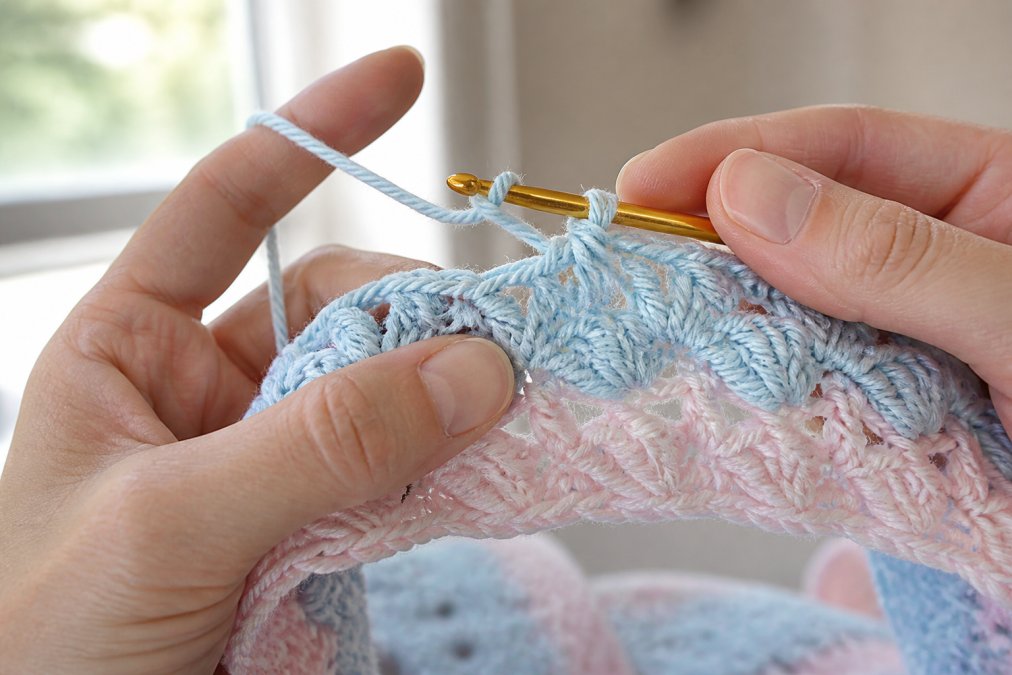
Shell Stitch Fundamentals
The shell stitch creates a fan-like, scalloped texture by working multiple stitches into the same stitch or space. A basic shell typically involves 3-5 double crochets worked into a single stitch, separated by chain stitches. Working a shell stitch correctly requires understanding stitch placement and tension. Each stitch in the shell should be clearly defined without pulling too tightly.
The shell stitch appears frequently in baby blanket patterns because it's visually impressive while remaining accessible to intermediate crafters.
Ripple Pattern Construction
Ripple patterns create undulating waves through strategic increases and decreases. A basic ripple typically involves working double crochets in groups, separated by chain stitches, with occasional decreases that create the valley portions. Understanding ripple construction helps you troubleshoot when your waves don't look right.
Many ripple patterns use color changes to emphasize the wave structure, creating visual movement and making the pattern more striking.
Granny Square Assembly
Granny squares are individual crochet squares assembled together to create larger blankets. Each square is typically worked in rounds from the center outward. Squares are then joined using slip stitch seaming, whip stitch seaming, or joining as you go.
Granny square construction offers flexibility in color selection and project management. Proper square assembly is crucial for a polished finished product. Seaming squares together with a whip stitch and matching yarn creates invisible seams.
Common Mistakes to Avoid When Crocheting Baby Blankets
Understanding common pitfalls helps you avoid frustration and produce better results.
Gauge Mismatches
Gauge, the number of stitches and rows per inch, determines your finished blanket size. Always crochet a gauge swatch before starting a project. Work a 4-inch square in the specified yarn and hook size, then measure carefully. If your gauge is off, adjust your hook size.
Inconsistent Tension
Tension inconsistency creates blankets that look wavy, bumpy, or uneven. Consistent tension develops through practice and awareness. Try to maintain the same tension throughout your project.
Skipping Yarn Over Steps
A common mistake is accidentally skipping the yarn over that precedes a stitch. This creates gaps in your fabric and disrupts stitch count. Pay careful attention to pattern instructions.
Eco-Friendly and Organic Yarn Options
Environmentally conscious crafters increasingly seek sustainable yarn options that don't compromise on quality or availability.
Organic Cotton
Organic cotton is grown without synthetic pesticides or fertilizers. Organic cotton yarn produces breathable, soft blankets suitable for babies with sensitive skin. It works beautifully for filet crochet patterns and lightweight summer blankets.
Recycled Yarn
Recycled acrylic and recycled polyester yarns reduce waste by using reclaimed fibers. Modern recycled options offer softness and workability comparable to new yarn.
Sustainable Wool
Some wool producers implement sustainable grazing practices. Merino wool, in particular, produces exceptionally soft fiber suitable for baby blankets when properly processed.
Bamboo Yarn
Bamboo yarn is produced from bamboo pulp through a viscose process. Bamboo is a rapidly renewable resource requiring minimal pesticides. Bamboo yarn is soft, breathable, and drapes beautifully, with a silky finish.
When selecting eco-friendly yarn, verify certifications and sourcing information. Look for third-party certifications like GOTS (Global Organic Textile Standard) for organic fibers or FSC certification for sustainably sourced wood-based fibers.
Creating a crochet baby blanket is a meaningful way to welcome a new baby or celebrate a special milestone. Whether you're drawn to shell stitch, granny squares, or textured stitches, 2026 offers exceptional pattern options for every skill level and aesthetic preference.
Crochet Creations Hub provides instant digital downloads of all these patterns, with high-resolution PDFs that print clearly and include detailed instructions, photo references, and stitch guides. Get your free pattern today and start creating a handmade treasure that will be cherished for years to come.
Frequently Asked Questions
What is the best crochet baby blanket pattern for beginners?
The Easy Peasy Crochet Baby Blanket is ideal for beginners. It uses only basic stitches like chain, double crochet, and slip stitch, with a simple repeating pattern that's relaxing to crochet. The pattern produces a 40" × 40" finished blanket and includes step-by-step instructions. The Pastel Shells pattern is also beginner-friendly, featuring a shell stitch that becomes meditative once you master the basic repeat.
What size should a crochet baby blanket be?
Standard baby blanket sizes range from 30" × 40" for stroller or car seat blankets to 36" × 36" for crib blankets, and up to 40" × 50" for larger keepsakes. The Cascading Ripples pattern finishes at 36" × 36", while the Easy Peasy reaches 40" × 40". Newborn loveys are typically 12" × 12" to 18" × 18", perfect for security blankets. Choose your size based on the intended use: stroller, crib, or heirloom keepsake.
What is the best yarn weight for crocheting baby blankets?
Worsted weight (weight 4) and DK weight (weight 3) are the most popular choices for baby blankets. Worsted weight works up quickly and provides good drape, while DK weight creates finer, more delicate textures. For summer blankets, use lighter yarn like baby weight or linen blends. Always choose soft, machine-washable fibers like acrylic blends, cotton, or merino wool. Avoid fuzzy or textured yarns that shed, and check the care instructions before purchasing.
What are trending crochet stitch patterns for 2026?
Shell stitches, ripple patterns, and granny squares remain popular in 2026, but bean stitch textures and filet crochet designs are gaining momentum for modern aesthetics. Pastel color combinations, soft neutrals, and gender-neutral tones dominate 2026 trends. Eco-conscious crafters are choosing organic cotton and sustainable yarn blends. Heirloom-quality blankets with clean finishing techniques are valued over trendy novelty stitches, reflecting a shift toward timeless, keepsake-worthy pieces.
How do I print a PDF crochet pattern clearly without wasting paper and ink?
Print your PDF pattern on standard white paper at 100% scale, never use 'fit to page' as it can distort stitch counts. Use a printer-friendly PDF viewer to preview before printing. Most Crochet Creations Hub patterns include a separate printer-friendly summary page. Print only the pages you need, not the entire document. For patterns you'll reference often, print on cardstock and laminate for durability. Test print one page first to verify quality and sizing.
This article was written using GrandRanker