

Best Crochet by Sugar Alternatives in 2026
Table of Contents
- Why Crafters Look for Crochet Pattern Alternatives
- Best Crochet Pattern Sites in 2026
- Understanding Yarn Weight and Fiber Content for Substitutions
- How to Choose a Crochet Pattern That Matches Your Needs
- Direct Fiber-to-Fiber Comparison for Common Substitutions
- Using Online Yarn Substitution Databases and Tools
- Crochet Project Planning Tips for Pattern Success
- Budget-Friendly and Eco-Friendly Pattern Options
Last Updated: August 23, 2026
Why Crafters Look for Crochet Pattern Alternatives
Finding the best Crochet by Sugar alternatives means understanding what you need from a pattern resource. Are you seeking instant downloads, patterns organized by difficulty, or designs for specific audiences like babies? A well-structured pattern with clear instructions saves time and frustration.
Best Crochet Pattern Sites in 2026
Digital downloads now dominate the crochet pattern landscape. The real differentiators are pattern quality, organization, pricing, and visual support.
Premium Pattern Collections with Instant Downloads
Crochet Creations Hub leads the market for high-quality designs with immediate access. Every pattern is available as a digital PDF download within seconds of purchase. The platform specializes in amigurumi animals, baby projects, and accessories, ranging from beginner-friendly to advanced.
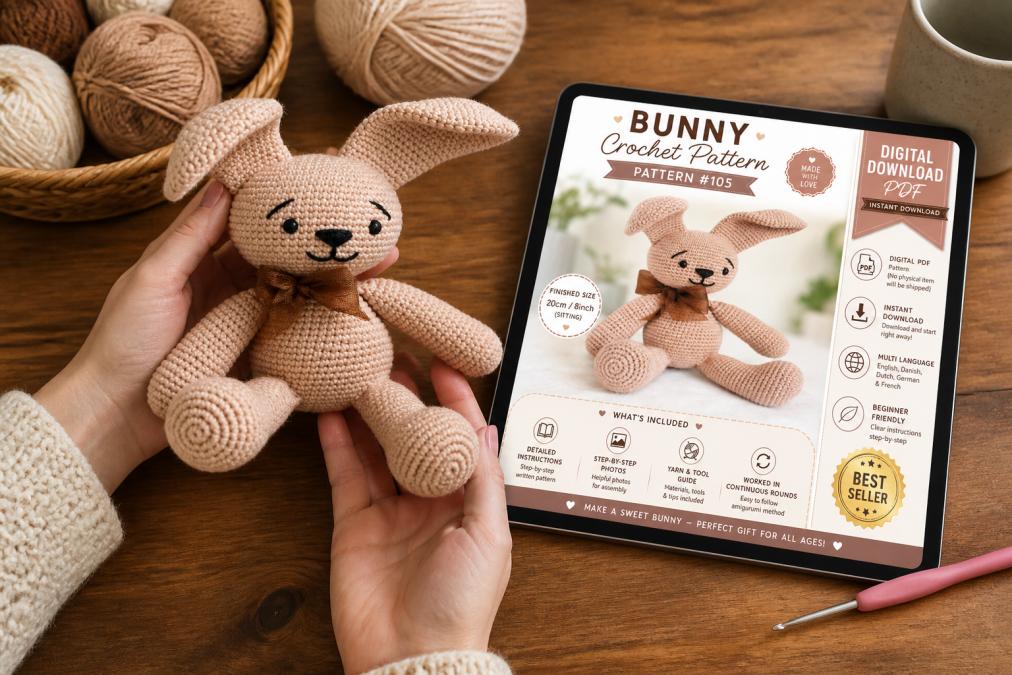
Each design includes written instructions, step-by-step photographs, and detailed material recommendations. For projects like the Bunny Crochet Pattern PDF (an 8-inch seated amigurumi rabbit), you receive specific yarn weight guidance, and assembly photos. Most individual patterns cost $1.99, with bundles available for building collections. The platform also offers free patterns and a printable crochet planner to organize projects and track completed items.

Etsy and Independent Designers offer unique design aesthetics and specializations. Thousands of individual designers sell through Etsy, each bringing distinct styles. The advantage is variety and discovering emerging designers; the disadvantage is inconsistency in pattern quality and instruction clarity.
Ravelry functions as both a pattern database and community platform. Search by yarn weight, project type, difficulty level, and specific stitch techniques. Many patterns are free, while others require purchase. Ravelry's strength lies in user reviews and project tracking, helping you make informed choices before committing.
Specialty Designers by Project Type
Different designers excel at different categories. Crochet Creations Hub covers multiple specialties: the Bunny Hand Puppet Crochet Pattern for toys, the Hoppy Baby Bunny Slippers Crochet Pattern with two baby sizes (0-6 months and 6-12 months), and the Bunny Baby Blanket Crochet Pattern combining dimensional and granny squares.
When choosing a specialty designer, verify they provide clear size specifications, specific yarn weight recommendations with yardage, visual progress photos, assembly instructions, and gauge information.
Understanding Yarn Weight and Fiber Content for Substitutions
Yarn substitution is common when the exact recommended yarn is unavailable, expensive, or not in your preferred color. Understanding how yarn weight, ply, and fiber content affect your finished project determines whether substitution succeeds.
How Ply, Yardage, and Gauge Affect Your Pattern Choice
Yarn weight is standardized from 0 (lace) through 7 (roving). Most crochet patterns use weights 2-5: sport weight (2), worsted weight (4), and bulky weight (5). The pattern specifies weight because it directly affects finished size, drape, and texture (peer-reviewed research).
Ply refers to strands twisted together. Higher ply counts create denser, more durable fabric, important for dishcloths and baby blankets. Lower ply counts create airier drape, suiting garments and shawls.
Yardage indicates length per weight unit. A 100g skein might contain 240 meters of sport weight or only 100 meters of bulky. Patterns specify total yardage needed, not just weight. Substituting without checking yardage risks running short.
Gauge is your tension: stitches and rows per inch. The pattern specifies the designer's gauge, usually "18 stitches and 12 rows over 4 inches in single crochet." Differing gauge changes finished project size. Testing gauge before starting prevents wasted time and yarn.
Natural vs. Synthetic Fibers: Durability and Washability
Cotton yarn creates crisp stitch definition and excellent absorbency, ideal for dishcloths, summer garments, and baby items. Cotton resists pilling and holds shape well, though it can stretch over time due to less elasticity than wool or acrylic.
Bamboo fiber offers silk-like drape and softness comparable to cotton with slightly more elasticity. Naturally hypoallergenic, it's excellent for sensitive skin and baby projects. Bamboo tends to be more expensive and has less stitch definition than cotton.
Acrylic yarn is affordable, durable, and available in nearly every color. It resists fading and holds shape well. Acrylic doesn't breathe like natural fibers, making it less suitable for summer garments, and can pill with friction. For amigurumi, dishcloths, and blankets, acrylic performs exceptionally well.
Linen blend combines linen's crispness with another fiber's softness, creating excellent stitch definition while maintaining elasticity. Works well for structured garments and home décor. More expensive than pure cotton or acrylic but offers superior durability.
Wool provides warmth, elasticity, and excellent stitch definition. Resists pilling better than acrylic and holds shape through blocking. More expensive and requires careful washing; unsuitable for wool allergies.
| Fiber Type | Best For | Durability | Washability | Cost |
|---|---|---|---|---|
| Cotton | Dishcloths, summer garments, baby items | High | Excellent (hot water) | Moderate |
| Bamboo | Baby projects, sensitive skin, drape-focused designs | Moderate | Good (gentle) | Higher |
| Acrylic | Amigurumi, blankets, budget projects | High | Excellent (machine washable) | Low |
| Linen blend | Structured garments, home décor | Very High | Excellent (cold/warm water) | Higher |
| Wool | Warm garments, blocking-dependent projects | High | Good (gentle, wool wash) | Moderate-High |
How to Choose a Crochet Pattern That Matches Your Needs
Pattern selection determines project success more than any other factor. Match pattern complexity to your actual skill level, not the level you aspire to reach.
Matching Pattern Difficulty to Your Skill Level
Beginner patterns use basic stitches: chain, single crochet, half-double crochet, and double crochet. They work primarily in rounds or rows without complex shaping, typically including 5-15 pages with extensive photos. The Bunny Garland Crochet Pattern exemplifies this, using basic stitches and straightforward assembly.

Intermediate patterns introduce decreases, increases, color changes, and complex shaping. They assume understanding of tension, gauge, and basic assembly, often including special stitches like bobbles or shells. The Bunny Lovey Crochet Pattern combines amigurumi construction with specific shaping techniques.
Advanced patterns require mastery of complex stitches, multiple techniques, and independent problem-solving. The Bunny's House Crochet Pattern, a 39-page playset with multiple components, represents advanced work requiring sustained attention and assembly precision.
Honest self-assessment prevents frustration. Start with beginner patterns if you've completed fewer than five projects. Intermediate patterns suit crafters with 10-15 completed projects. Advanced patterns suit those with 20+ projects and comfort troubleshooting independently.
Project-Specific Substitution Guides
Different project types tolerate substitutions differently. Amigurumi requires yarn holding its shape without splitting. Blankets need good drape and durability. Baby items need soft, washable fibers.
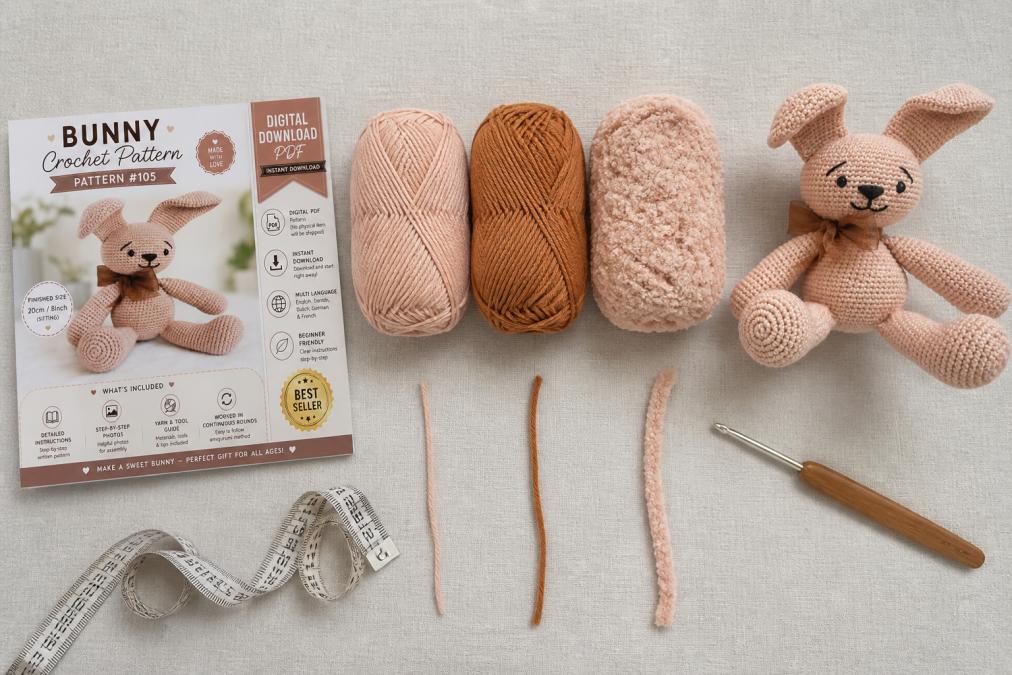
For amigurumi: Use yarn with clear stitch definition. Worsted or sport weight acrylic works well. Avoid fuzzy or slubbed yarns obscuring stitch detail. The Plush Snuggler Bunny Crochet Pattern recommends plush or chenille yarn specifically for the soft texture essential to the design.
For baby blankets: Choose washable, soft fibers like cotton, acrylic, or bamboo. Avoid wool for babies under two unless specifically requested. The Bunny Baby Blanket Crochet Pattern uses DK weight yarn (8-ply), creating balanced fabric suitable for frequent washing.
For garments: Match fiber to purpose. Summer garments need breathable fiber like cotton or bamboo. Winter garments benefit from wool's warmth. Test gauge carefully since garment fit depends on accurate stitch count.
For dishcloths: Choose durable, absorbent fiber. Cotton and linen excel here. Acrylic works but absorbs less water.
Direct Fiber-to-Fiber Comparison for Common Substitutions
Understanding direct fiber comparisons prevents costly mistakes when substituting yarn.
Cotton Yarn Alternatives: Bamboo, Linen, and Blends
Cotton-to-bamboo substitution works when prioritizing softness and drape over stitch definition. Bamboo creates more fluid fabric than cotton. For simple stitches and drape-focused projects like shawls, bamboo substitution succeeds. Both fibers are hypoallergenic, ideal for sensitive skin.
Cotton-to-linen substitution works when wanting increased durability and structure. Linen creates crisper fabric than cotton and resists pilling better. If the pattern emphasizes drape, linen substitution may create overly stiff fabric. For structured projects like bags, linen substitution improves durability.
Cotton-to-linen-blend substitution offers middle ground, combining linen's durability with cotton's softness. Blends typically cost more than pure cotton and work well for projects needing both structure and comfort.
Cotton-to-acrylic substitution works when budget is priority and the pattern doesn't require specific fiber properties. Acrylic is cheaper, more available in colors, and easier to care for. Acrylic doesn't breathe like cotton, making summer garments feel warmer. For amigurumi, blankets, and decorative items, acrylic substitution generally succeeds.
Hypoallergenic and Allergy-Conscious Fiber Choices
Bamboo fiber is naturally hypoallergenic, resisting dust mites and triggering fewer reactions than wool or synthetic dyes (peer-reviewed research). Works well for baby items and sensitive skin gifts.
Acrylic yarn is hypoallergenic for most people but can trigger reactions in those sensitive to synthetics. High-quality acrylic brands minimize dye sensitivities.
Mercerized cotton undergoes chemical treatment increasing luster and strength while reducing pilling. Hypoallergenic and softer than standard cotton, ideal for baby projects and sensitive applications.
Organic cotton is grown without synthetic pesticides or fertilizers, ideal for chemically sensitive individuals. Costs more but provides peace of mind for baby items.
Avoid for allergic individuals: wool (common allergen), synthetic dyes in conventional acrylic, untreated cotton with pesticide residue, and fuzzy fibers shedding microparticles.
Using Online Yarn Substitution Databases and Tools
Ravelry's yarn database allows searching by weight, yardage, fiber content, and care requirements. Compare specific yarns side by side with user reviews revealing real-world performance. Project tracking shows how specific yarn choices performed in completed projects.
Yarn manufacturer websites often include substitution guides, listing equivalent weights and yardages from their product lines.
Pattern designer recommendations appear in quality patterns like those from Crochet Creations Hub, listing multiple yarn options that work with the pattern and explaining which properties matter most.
Community forums and social media groups provide real-world substitution experiences, with crafters sharing photos showing how substitutions affected finished results.
Crochet Project Planning Tips for Pattern Success
Successful projects require planning, testing, and organization beyond choosing a pattern.
Swatching, Tension, and Testing Before You Commit
Swatching is non-negotiable for garments. Crochet a 4-inch square using your chosen yarn, hook, and stitch pattern. Measure stitch and row count, comparing to the pattern's specified gauge. If your gauge differs by more than one stitch per inch, adjust your hook size and reswatch.
Tension testing matters for all projects. Crochet a small sample observing whether your stitches are consistently tight, loose, or variable. Consistent tension, even if slightly loose or tight, produces better results than variable tension.
Fiber testing prevents wasted yarn. For projects emphasizing specific fiber properties, test the fiber in a swatch before committing. Wash a cotton swatch checking for shrinkage. Stuff an acrylic swatch testing shape retention. This 30-minute investment prevents 10 hours of wasted work.
Organizing Your Digital Pattern Collection
Most crafters accumulate dozens of patterns without organization systems. Create a folder system organizing patterns by project type (amigurumi, wearables, blankets, accessories, home décor) with subfolders for difficulty level (beginner, intermediate, advanced).
Use a spreadsheet or planner tracking patterns you own, completed patterns, and patterns you want to make. Include columns for yarn weight, yardage required, difficulty level, and estimated completion time. Crochet Creations Hub's printable crochet planner helps organize your collection and track projects, including spaces for pattern notes, yarn selection, progress tracking, and finished project documentation.
Budget-Friendly and Eco-Friendly Pattern Options
Free patterns are available on numerous platforms. Ravelry hosts thousands of free designer patterns, and many yarn manufacturers offer free patterns. Free patterns range from beginner-simple to advanced-complex, though they sometimes lack detailed instructions of premium patterns.
Budget pattern collections from platforms like Crochet Creations Hub offer individual patterns at $1.99 each, making it affordable to explore many designers. Pattern bundles offer better value when wanting multiple designs from the same creator.
Eco-friendly pattern choices focus on sustainable fiber sourcing like organic cotton, bamboo, linen, and recycled acrylic. Choosing patterns designed for durable, long-lasting projects maximizes environmental value of your yarn investment.
Upcycled yarn projects use existing yarn from stash or reclaimed sources. Patterns designed for mixed yarn weights and colors accommodate upcycled materials, reducing waste and costs while creating unique projects.
Finding the best Crochet by Sugar alternatives requires matching patterns to your skill level, understanding yarn properties, and organizing your collection effectively. Crochet Creations Hub offers premium digital patterns starting at $1.99, with instant downloads and detailed instructions eliminating guesswork. Whether creating baby gifts, organizing your project planner, or exploring new design styles, quality patterns and thoughtful planning transform your crochet experience from frustrating to fulfilling.
Get your Free Pattern from Crochet Creations Hub and start your next project today with confidence.
Frequently Asked Questions
What are the best websites for high-quality crochet patterns besides Crochet by Sugar?
Several premium crochet pattern sites offer instant digital downloads with clear instructions and detailed photos. Crochet Creations Hub specializes in amigurumi and baby-focused designs like the Bunny Crochet Pattern PDF ($1.99), perfect for beginners and intermediate crafters. Look for sites that provide PDF patterns with step-by-step photographs, and customer reviews. Check that patterns include material recommendations, stitch abbreviations, and finished size specifications to ensure clarity before purchasing.
How do I choose the right crochet pattern for my skill level?
Start by identifying whether you're a beginner, intermediate, or advanced crocheter. Beginner patterns use basic stitches like single crochet and double crochet; intermediate patterns introduce techniques like color changes and decreases; advanced patterns involve complex shaping and miniature work. Read the pattern description for skill-level labels and required techniques. Crochet Creations Hub offers patterns across all levels, including beginner-friendly amigurumi like the Bunny Lovey Crochet Pattern. Always check the materials list and stitch abbreviations before purchasing to confirm you understand the terminology.
What should I look for when comparing yarn fiber content for pattern substitutions?
Match yarn weight, ply count, yardage, and fiber properties to the original pattern. Worsted weight, sport weight, and DK weight are common categories; check the ball band for exact specifications. Natural fibers like cotton offer absorbency and breathability for dishcloths and summer garments; synthetic fibers like acrylic provide durability and easy care for toys and blankets. Consider tensile strength for amigurumi, which need tightly stuffed fabric. Bamboo and linen blends offer eco-friendly alternatives to pure cotton. Always swatch your yarn choice at the recommended gauge and hook size before committing to a full project.
How can I organize my digital crochet pattern collection effectively?
Create folders by project type (amigurumi, blankets, accessories), skill level, or fiber content. Tag PDFs with keywords like 'bunny,' 'baby,' or 'cotton yarn' so you can search quickly. Use a spreadsheet or crochet planner to track pattern names, designers, yardage requirements, and completion status. Crochet Creations Hub offers printable planners to help manage projects. Back up your digital files in cloud storage and keep a master list of where each pattern came from. This system saves time when hunting for the perfect project and prevents duplicate purchases.
Are there free alternatives to premium crochet pattern sites?
Yes, many designers offer free patterns on blogs and social media platforms, though they may lack the polish of paid patterns. Free patterns sometimes have less detailed photography or fewer language options. Premium sites like Crochet Creations Hub ($1.99 per pattern) offer instant downloads, and professional step-by-step photos that reduce errors and frustration. The small investment in paid patterns often saves yarn and time by providing crystal-clear instructions. Many premium sites also offer free sample patterns to help you decide if their style matches your needs.
This article was written using GrandRanker